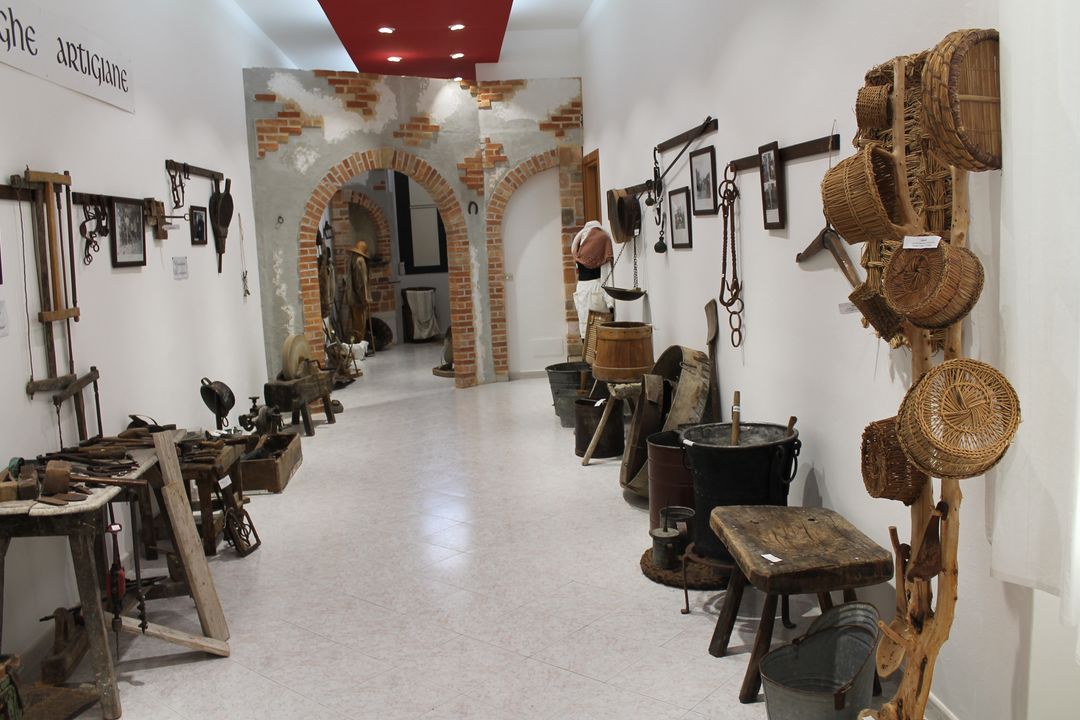
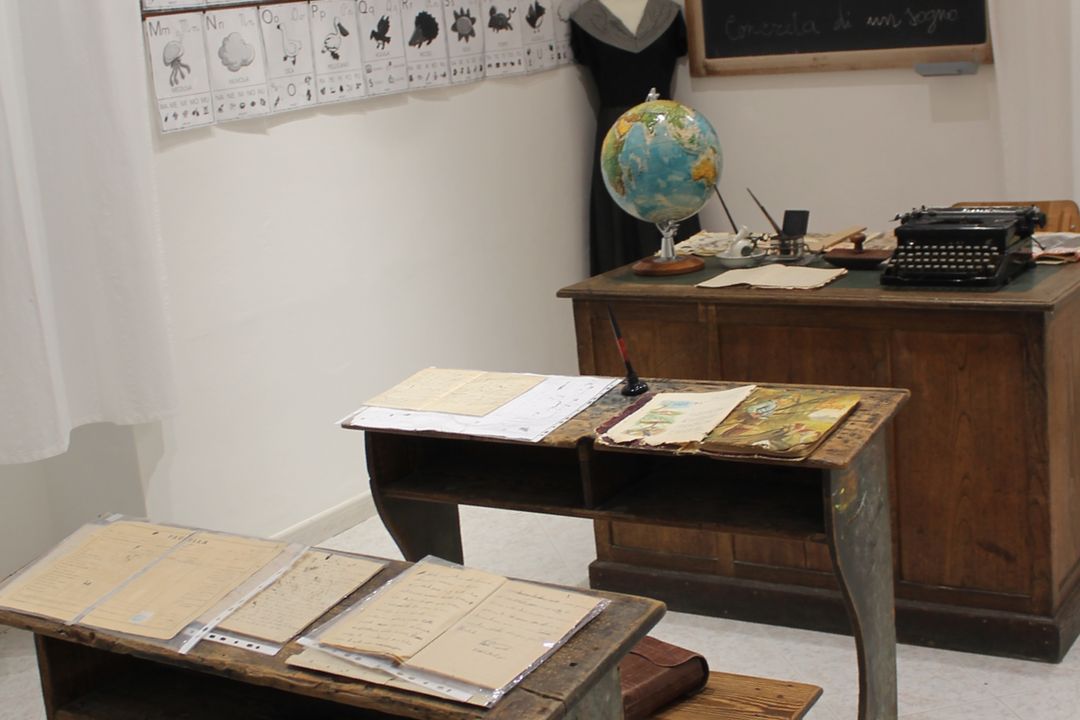
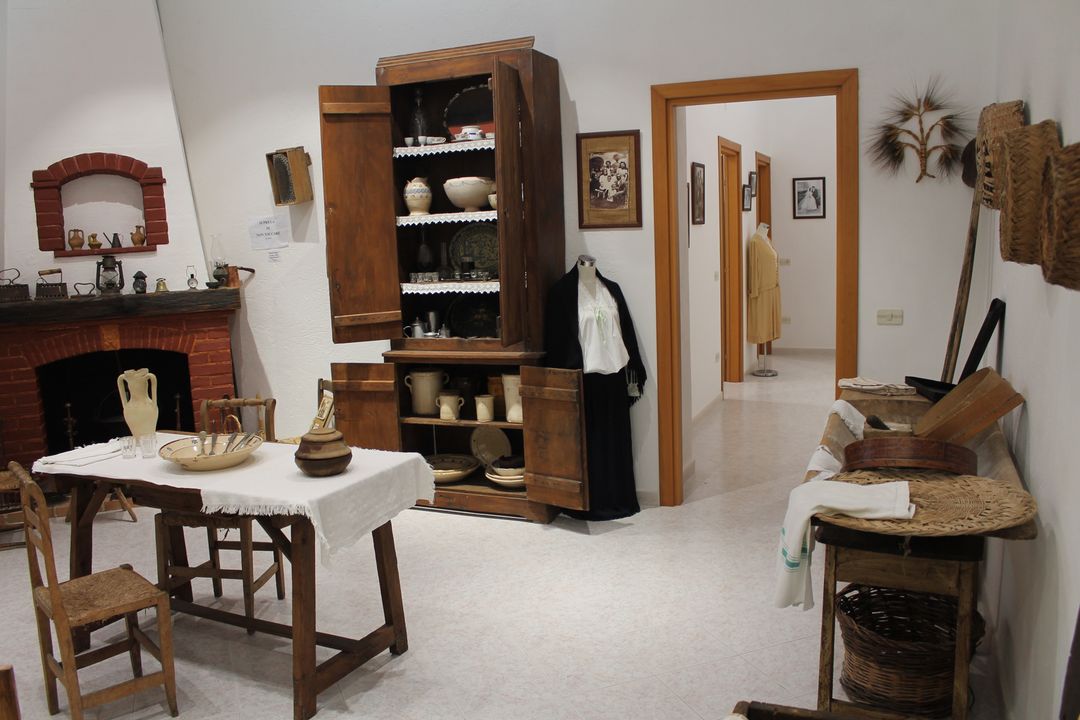


Tipica opera di architettura risalente al periodo fascista, l’edificio completato nel 1936 è stato anche ospedale da campo, municipio e istituto scolastico. Oggi ospita la Biblioteca Comunale, l’Info Point Turistico e l’esposizione di alcune mostre permanenti sulla civiltà contadina e altre mostre tematiche nel periodo estivo. Ospita inoltre le sedi delle associazioni locali trasformandosi così in un vero e proprio contenitore culturale.
LA NOMEA DI "QUEL PAESE"
Il nome di Colobraro per motivi scaramantici non veniva nominato dagli abitanti dei paesi limitrofi, probabilmente per mere gelosie e rivalità tra municipi viciniori, in quanto si riteneva che nominarlo fosse “foriero di jella”, per cui veniva appellato come “QUEL PAESE”; probabilmente questa nomea deriva dai racconti sulla presenza a Colobraro, sul finire dell’800 e gli inizi del ‘900, di masciare e jettatori.
L’ANTROPOLOGO ERNESTO DE MARTINO
Storiograficamente, Colobraro e molti comuni lucani, tra il 1949 e il 1959, furono oggetto di studi antropologici da parte dello studioso Ernesto DE MARTINO, in seguito ai quali furono pubblicati due noti saggi: “SUD E MAGIA” e “MAGIA IN LUCANIA”.
La ricerca di De Martino era tesa a una esplorazione etnografica delle rozze pratiche di magia cerimoniale lucana, con l’intento di comprendere la funzione psicologica della magia e i motivi del suo perdurare anche in epoca moderna, nonché di capire quali fossero i rapporti tra magia, devozione popolare e liturgia ufficiale. Ernesto De Martino provò anche a comprendere come mai, in quello che era stato il Regno di Napoli, la polemica antimagica dell’illuminismo europeo, secondo la quale la razionalità predomina su ogni forma di superstizione, non riuscì a far breccia nei circoli illuministi napoletani e del sud. Qui prevalse infatti un compromesso di origine colta, che si estrinsecò nell’ideologia della “JETTATURA”, una disposizione psicologica tra serio e faceto, da cui deriva la famosa frase di Benedetto Croce “non è vero ma ci credo”. Da ciò scaturì la figura ironica dello jettatore o del porta jella.
L’AMULETO
L’amuleto o abitino (in dialetto cincjokk) è un sacchettino magico utilizzato in passato come anti-jella o anti-affascino o antimalocchio, dunque considerato oggetto/strumento protettivo, o semplicemente come porta fortuna, a volte veniva anche donato per propiziare una legatura d’amore.
Oggi i visitatori di Colobraro vengono invitati a indossarlo per poter percorrere in sicurezza e tranquillità il centro storico infestato da “monachicchi”, fattucchiere, masciare e jettatori. L’abitino, come vuole la tradizione, è un sacchettino di stoffa chiuso con una spilla che simboleggia la “legatura” e un cordoncino per appenderlo al collo di colore rosso, a simboleggiare le forti passioni. Esso contiene tre pietre di sale grosso per scacciare il malocchio, tre aghi di rosmarino contro gli spiriti maligni, tre chicchi di grano simbolo di fertilità e abbondanza e fiori di lavanda, simbolo di virtù e serenità, che con il loro odore inebriante favoriscono l’amore e la bellezza. Allorquando i riti pagani e le credenze popolari si impregnarono di simbolismi cristiani, l’abitino venne associato al velo organico del battesimo, la cosiddetta camicia, alcuni erano soliti appenderlo al collo del neonato durante la cerimonia alla fonte battesimale per essere benedetto. L’abitino doveva essere, poi, gelosamente custodito nel corso dell’intera vita e indossato nei momenti più importanti, in particolare durante le fiere o gli eventi pubblici, così da evitare l’affascino da parte delle persone che si incontravano
The exhibition hall, completed in 1936, is a typical architecture work that dates back to the fascist period. During the years, the building has been a field hospital, a municipal hall and a school. Today it hosts the Municipal Library, the Tourist Info Centre, permanent expositions on peasantry and other thematic shows during the summer. The building also hosts the offices of the local associations, thus becoming a real cultural recipient.
THE VILLAGE REPUTATION
The inhabitants of neighbouring villages would not pronounce the name of Colobraro for superstition reasons, probably arising from jealousies and rivalries. Since people thought that saying the name of Colobraro "brought bad luck", the small town was referred to as "QUEL PAESE" (simply meaning “that” village). Probably this reputation was fomented, between the end of the eighteenth and early twentieth centuries, by the stories about the presence in Colobraro of masciare (witches) and jettatori (jinxes).
THE ANTHROPOLOGIST ERNESTO DE MARTINO
Colobraro and many other Lucanian villages, between 1950 and 1957, became the subject of the anthropological studies of the scholar Ernesto DE MARTINO, which resulted in the publication of two famous essays: “SUD E MAGIA” (South and magic) and “MAGIA IN LUCANIA” (Magic in Lucania).
The research of De Martino was aimed at an ethnographic exploration of the crude practices of ceremonial magic in Lucania, in order to understand the psychological function of magic and the reasons for its persistence even in the modern era, as well as to figure out the relationship between magic, traditional worship and official liturgy.
Moreover, Ernesto De Martino tried to understand why, in what had formerly been the Kingdom of Naples, the debate against magic promoted by the European enlightenment – according to which rationality prevails on all forms of superstition – could not persuade the Neapolitan and southern Italian enlightenment circles. Here, in fact, a cultural compromise prevailed, which generated the ideology of the "JETTATURA" (jinx or bad luck): a psychological inclination, not entirely facetious, from which the famous phrase of Benedetto Croce derives "non è vero ma ci credo" (it is not true but I believe in it). This ideology also created the ironic figure of the jettatore, i.e. someone who brings bad luck.
THE AMULET
The amulet or abitino (in the local dialect cincjokk) is a small magical bag formerly used against bad-luck, curse or jinx, and therefore considered as a protective object or tool, or simply a good luck charm, which sometimes would even be donated to foster a love spell.
Today, those who visit Colobraro are invited to wear it, to safely and peacefully travel through the historic centre, which is thought to be haunted by monachicchi, (small, lively spirits), masciare, witches, and jettatori. The abitino, according to the tradition, is a small fabric bag closed with a brooch, that symbolises the "spell", and a red string to hang it around the neck, representing strong passions. It contains three grains of cooking salt to shoo the evil eye, three rosemary needles against bad spirits, three grains of wheat, representing fertility and abundance and lavender flowers, as a symbol of virtue and serenity, fostering love and beauty with their inebriating smell.
When Christian symbolism influenced pagan rituals and popular beliefs, the abitino was associated with the organic veil of baptism, the camicia (shirt). Some people used to hang it around the neck of the new-borns during the ceremony to be blessed at the baptismal font. The abitino had to be closely guarded throughout the life of a person and be worn in the most important moments, especially during trade shows or public events, so as to avoid to be subject to affascino made by the other people attending.
Territorio
 Convento e Chiesa
 Timpa della Rocca
 Palazzo delle Esposizioni
 Magia e Fascinazione
 Il Castello
Dove Dormire
Dove Mangiare
Numeri Utili
EMERGENZA
Numero Nazionale Emergenza 112
Soccorso Sanitario 118
Vigili del Fuoco 115
Carabinieri 0835 841010
UFFICIO POSTALE
Corso Umberto I n.109
75021 - Colobraro (MT)
+39098524412